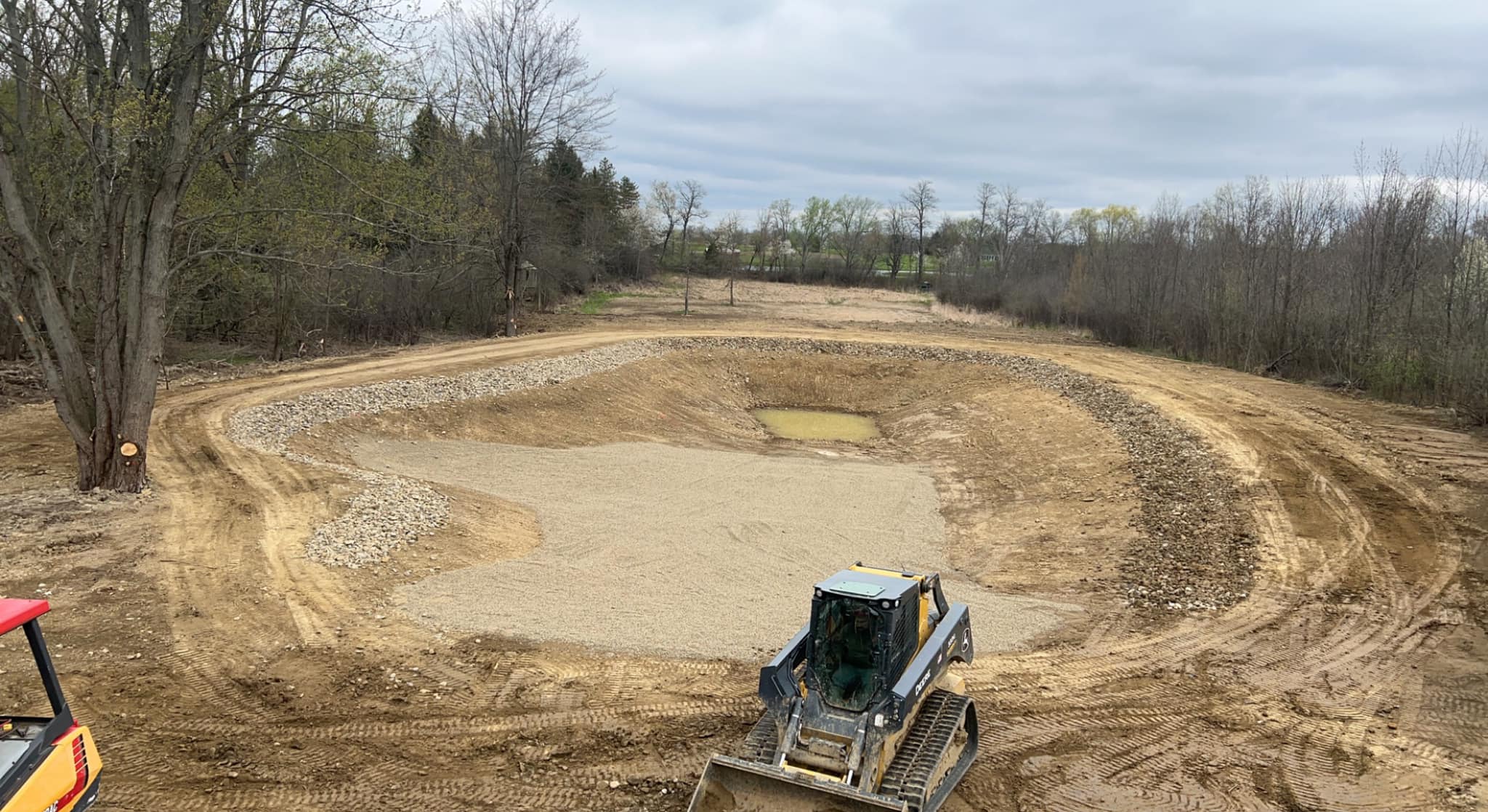
Key Considerations When Planning Your Excavation Project: Insights from Creekbend Experts Feb 02, 2026
Before commencing any excavation work, it's essential to conduct a thorough site assessment. This includes evaluating the soil type, checking for underground utilities, and understanding the site's drainage patterns. Soil conditions can significantly impact excavation methods; for example, clay soil requires different handling compared to sandy soil due to its compaction properties. A detailed site evaluation helps in choosing the right equipment and techniques, ensuring efficiency and cost-effectiveness for your project.
Permits and regulations are another critical aspect of planning your excavation. Working without the necessary permits can lead to legal issues and project delays. It's vital to understand the local regulations governing excavation in your area. Creekbend Excavating advises consulting with local authorities to secure the required permits and adhere to zoning laws. This proactive approach not only ensures compliance but also promotes safety and sustainability in your excavation project.
Safety should always be a top priority in any excavation work. Excavation sites present various hazards, including cave-ins, falling debris, and utility strikes. To mitigate these risks, establish comprehensive safety protocols and ensure all workers are trained and equipped with the necessary safety gear. Regular safety inspections and clear communication among team members can prevent accidents and keep the project on track. Creekbend Excavating advocates for robust safety measures, emphasizing the importance of keeping both your team and the site safe throughout the project duration.
Another vital consideration is the environmental impact of your excavation project. Planning for efficient waste disposal and minimizing soil disruption are essential steps in promoting sustainability. Reusing and recycling excavated materials, when possible, can reduce environmental impact and save on costs. Additionally, be mindful of nearby water bodies and natural habitats to prevent contamination and preserve biodiversity. Implementing environmentally friendly practices not only benefits the planet but also enhances the long-term success of your project.
Budgeting and scheduling are also key elements in planning an excavation project. Creating a realistic budget requires considering factors such as equipment hire, labor costs, and potential unforeseen expenses. It's wise to allocate resources for contingencies to handle any unexpected challenges. Similarly, a well-structured timeline helps keep the project on track. Ensure that your schedule accounts for weather conditions and allows flexibility to handle any delays. At Creekbend Excavating, we believe that careful planning and precision coordination are crucial for staying within budget and meeting deadlines.
In conclusion, a successful excavation project hinges on thorough planning and consideration of several factors. From obtaining permits and ensuring safety to minimizing environmental impact, each step is vital in achieving project goals. By addressing these key considerations, you lay the groundwork for a seamless and efficient excavation process. At Creekbend Excavating, our experts are poised to guide you through every stage, ensuring your project runs smoothly and safely. Embrace these insights and embark on your excavation project with confidence and clarity.
/filters:no_upscale()/filters:format(webp)/media/756a4940-a6f8-499b-843b-0a99645d26c6.jpeg)