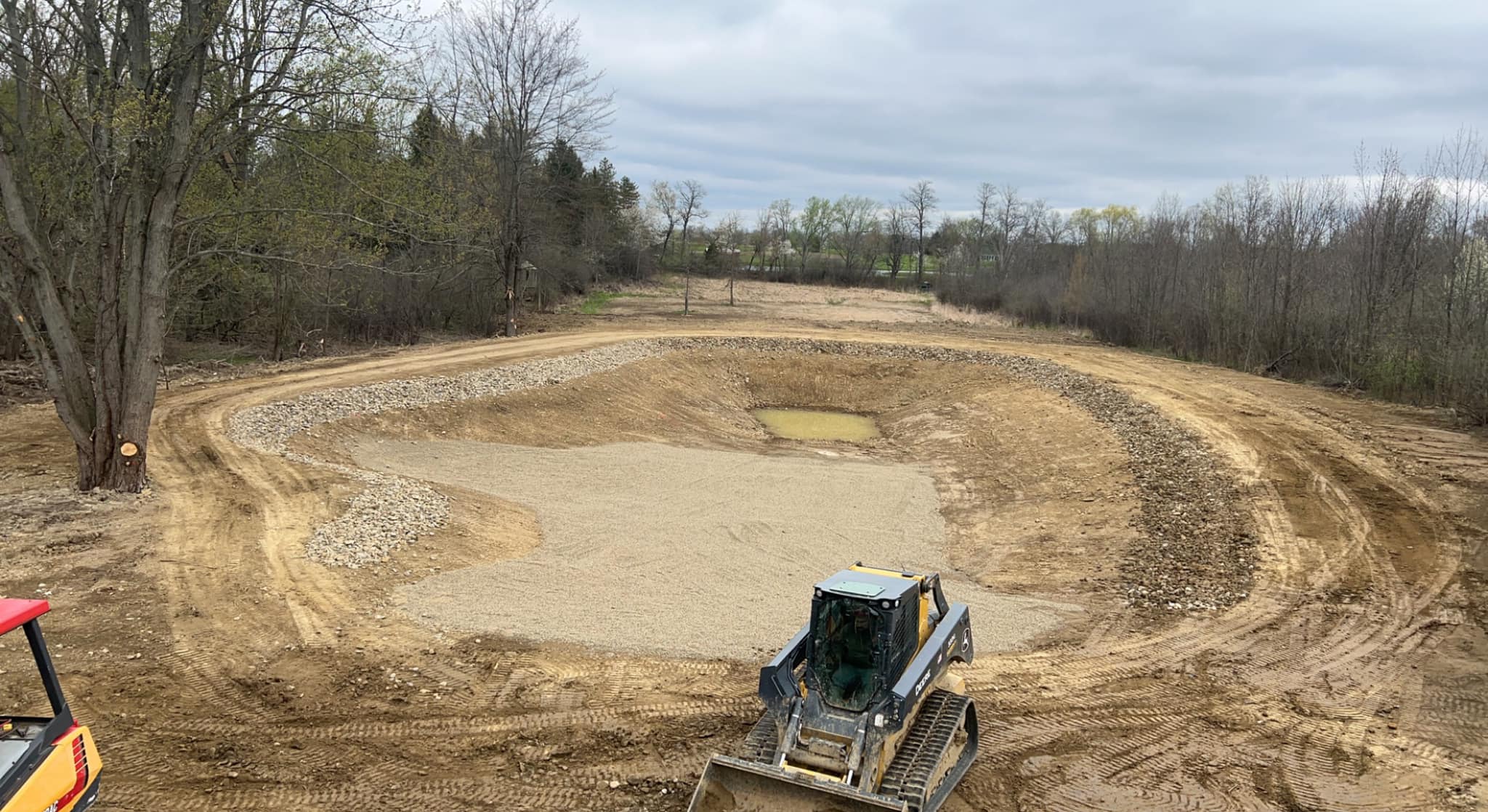
Innovative Partnerships: Creekbend's Collaboration with Environmental Scientists to Protect Ecosystems Jul 21, 2026
At the heart of this partnership is a shared goal: to harmonize construction activities with environmental preservation. Creekbend Excavating recognized early on that today's projects require a balance between human needs and ecosystem health. This led to initiating collaborations with environmental experts who bring a wealth of ecological knowledge, ensuring projects are planned and executed with the least ecological disruption.
One of the key benefits of this partnership is the integration of ecological assessments into the early stages of project planning. Environmental scientists conduct thorough ecosystem studies, identifying critical habitats and evaluating how proposed projects might impact them. This data informs Creekbend's project plans, allowing them to adjust routes, modify excavation techniques, and choose materials that minimize environmental harm.
For instance, Creekbend Excavating has pioneered techniques that disrupt soil minimally, preserving native vegetation and preventing erosion. By understanding the delicate balance of local ecosystems, the company can design project schedules and techniques that align with natural cycles. This is particularly important in areas with sensitive wildlife habitats, where the timing of excavation activities can significantly affect biodiversity.
Moreover, through ongoing collaboration, Creekbend and its partners develop and implement effective mitigation strategies. This includes creating buffer zones around sensitive areas, employing erosion control measures, and replanting native vegetation post-excavation. These efforts not only protect the immediate environment but also promote long-term ecological resilience, ensuring that ecosystems can thrive even after major construction activities.
Educational initiatives are another pillar of this collaboration. Through workshops and training sessions, Creekbend empowers its team with the latest sustainable practices. Employees learn about the interaction between excavation activities and ecosystems, fostering a culture of environmental stewardship. This knowledge-sharing extends to clients and communities, raising awareness about sustainable construction and its importance in protecting our natural world.
This focus on environmental stewardship offers numerous advantages. It not only fulfills Creekbend's corporate responsibility but also enhances the company's reputation, attracting clients who prioritize sustainable practices. By reducing environmental impacts, projects are less likely to face regulatory challenges, ensuring smoother and faster project completions.
As Creekbend Excavating continues to build on these innovative partnerships, it sets a benchmark for the industry. Firms across the globe are starting to view these collaborations as essential to sustainable development. The success of Creekbend’s approach demonstrates that with the right expertise and commitment, it’s possible to achieve progress that respects both human and natural environments.
In conclusion, Creekbend Excavating is leading a crucial change in the excavation industry. By collaborating with environmental scientists, it is redefining project strategies, preserving ecosystems, and setting a positive example for others to follow. These partnerships symbolize a hopeful future where industrial advancement and ecological conservation can coexist harmoniously, ensuring sustainable progress for generations to come.
/filters:no_upscale()/filters:format(webp)/media/756a4940-a6f8-499b-843b-0a99645d26c6.jpeg)